The psychology behind casino gaming: Why we play
The Allure of Risk and Reward
The excitement of gambling often stems from the inherent risk associated with it. The thrill of potentially winning a substantial reward can be an irresistible draw for many individuals. This anticipation not only activates the pleasure centers in the brain but also fuels an adrenaline rush that can lead to a heightened sense of euphoria. People are often attracted to the idea that with a small investment, they could dramatically change their financial situation, tapping into deep-seated desires for wealth and security, especially when considering options like pokies online australia that offer engaging experiences. The promise of a life-altering win can be a powerful motivator, pushing individuals to take risks that they might not consider in other aspects of their lives.
Moreover, the unpredictable nature of casino games adds an extra layer of excitement. Unlike traditional forms of entertainment that offer predictable outcomes, games of chance provide a sense of uncertainty. This unpredictability can be exhilarating, as players often find themselves caught up in the ‘what if’ scenarios that accompany potential wins, magnifying the urge to participate. Psychological studies suggest that the dopamine released during these moments of anticipation can create a powerful feedback loop, encouraging individuals to keep playing to chase that next high. Each spin of the slot machine, roll of the dice, or flip of a card becomes a moment filled with potential, igniting a sense of hope and desire that keeps players engaged.
The concept of ‘near misses’ is particularly fascinating in this context. When players come close to winning, such as hitting two out of three matching symbols, their brains can interpret this as a sign of potential success. This reinforces the desire to continue gambling, as players feel they are on the verge of a win, leading them to disregard the reality of the odds stacked against them. The psychology behind near misses can be deceptive, as it often results in individuals underestimating the risks involved and overestimating their chances of success. Thus, the allure of risk and reward in casinos is a complex interplay of psychological factors that keep players returning for more, often with a mix of hope and denial about the realities of gambling.
Social Interaction and Community
Casinos are not just venues for solitary gambling; they are vibrant social hubs that foster human interaction. For many, the shared experience of playing games creates a sense of community. Whether it’s cheering for a friend at the blackjack table or engaging in conversations with fellow players, these social aspects enhance the overall experience, making it more enjoyable. The camaraderie and collective excitement can provide emotional rewards that are just as significant as any monetary wins. This social dynamic can also serve as a means of escapism, allowing individuals to bond over shared experiences while temporarily distancing themselves from their daily routines.
This social dimension is amplified by the presence of various games and events designed specifically for group participation. Games like poker, where players compete against each other rather than the house, encourage strategic thinking and social bluffing. The interaction and rivalry can heighten the thrill of the game, prompting players to return to the casino not just for the games themselves but also for the shared experiences that come with them. This connection can be particularly appealing to individuals seeking a sense of belonging or an escape from daily life. The social environment of casinos can thus become a sanctuary for those looking to connect with others, share stories, and create lasting memories.
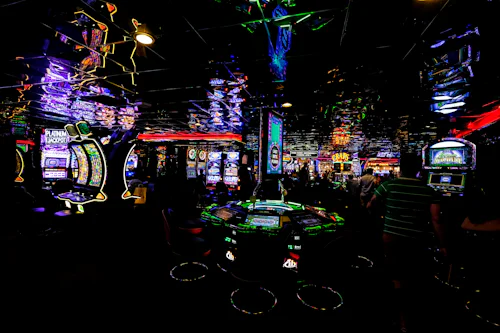
Moreover, casinos often embody a festive atmosphere with their lively music, bright lights, and vibrant décor, which can enhance social connections. The environment is carefully curated to stimulate excitement and engagement, making it easy for players to connect with one another. This combination of social interaction and an electrifying atmosphere creates a compelling reason for individuals to frequent casinos, as they seek both entertainment and the chance to build relationships. The shared laughter, the cheers for wins, and the collective groans for losses all contribute to a rich tapestry of social interaction that draws people back time and again.
The Illusion of Control
One of the fascinating psychological phenomena related to casino gaming is the illusion of control that players often experience. Many individuals believe they can influence or predict the outcomes of games, despite the fact that most casino games are based purely on chance. This belief can lead to a sense of empowerment, as players feel that their skills or decisions can impact their success, even in games that are inherently random. For instance, a player might attribute their winning streak to their ‘lucky’ strategy, reinforcing the idea that they possess some level of control over the game.
The illusion of control is particularly prevalent in games like blackjack or poker, where strategic thinking and player decisions can indeed affect the outcome. Players often develop specific strategies or rituals, such as shuffling cards in a particular way or using specific betting patterns, to reinforce this belief. This can create a sense of mastery that keeps players engaged, as they feel they are actively participating in their success rather than merely relying on luck. However, this perceived control can be misleading, leading to overconfidence and risky behavior, particularly among inexperienced players who may not fully understand the odds.
However, this psychological mechanism can also lead to problematic gambling behavior. The stronger the belief in personal control, the more likely individuals are to dismiss the inherent risks and odds against them. This cognitive bias can lead players to chase losses or make impulsive decisions, ultimately exacerbating the cycle of gambling addiction. Understanding the illusion of control is vital for players to navigate the casino environment responsibly, balancing enjoyment with awareness of their limits. By recognizing that luck plays a significant role in gambling outcomes, players can better manage their expectations and avoid the pitfalls that come with believing they have more control than they truly do.
The Role of Environment and Design
The physical design of casinos is meticulously crafted to maximize player engagement and prolong the gaming experience. From the lack of clocks to the strategic placement of games and amenities, every element is geared towards keeping players inside the gaming environment. The ambiance created by lighting, sound, and décor is designed to evoke feelings of excitement and comfort, making players less aware of time passing and more focused on the games. For example, the use of bright, flashing lights and upbeat music can create an atmosphere that feels lively and invigorating, encouraging players to stay longer and partake in more games.

Furthermore, the psychological impact of rewards and reinforcement is considered heavily in casino design. For instance, the bright lights and sounds associated with winning can create a strong association between the environment and the act of winning, regardless of the actual odds. This sensory stimulation can lead players to associate the casino with positive emotions, encouraging them to return for more. The combination of design elements works cohesively to create an immersive experience that captures and holds the player’s attention, often leading them to lose track of time and money spent.
The use of themed areas within casinos can also play a significant role in enhancing the gaming experience. By creating distinct atmospheres that cater to different tastes, casinos can appeal to a broader audience. For instance, a casino may feature a luxurious high-stakes area alongside a vibrant, youthful gaming floor. This strategic segmentation allows casinos to cater to various demographics, drawing in a diverse range of players looking for different experiences within the same environment. By providing a tailored experience for different types of players, casinos can maximize their appeal and ensure that guests feel valued and engaged during their visit.
Understanding Responsible Gaming
As the allure of casino gaming continues to attract many individuals, it is crucial to understand the importance of responsible gaming. While the thrill and excitement can be a source of enjoyment, it is essential to maintain a healthy relationship with gambling. Responsible gaming involves recognizing personal limits, understanding the odds, and approaching gambling as a form of entertainment rather than a means to achieve financial gain. This perspective is vital for ensuring that gaming remains a fun activity rather than a source of stress or conflict.
Many casinos now implement responsible gaming initiatives, providing resources and support for players. These programs often include self-exclusion options, where individuals can voluntarily restrict their access to gaming venues, as well as educational resources on the risks associated with gambling. By fostering a culture of responsible gaming, casinos aim to mitigate the negative consequences that can arise from excessive gambling and promote a safer environment for all players. This commitment to player welfare reflects a growing awareness of the potential harms associated with gambling and the need for protective measures.
Ultimately, understanding the psychology behind casino gaming is essential for players to navigate their experiences responsibly. By recognizing the emotional and social factors driving their behavior, players can make informed choices and enjoy the entertainment aspect of gambling without falling into harmful patterns. Awareness and education are key components in creating a balanced perspective on gaming within the vibrant casino landscape. By fostering a dialogue about responsible gaming and encouraging self-awareness, both players and casinos can contribute to a healthier gambling environment.